The Recruitment Revolution is Here
As we stand on the precipice of 2025, the recruitment industry is undergoing a transformation that rivals the shift from newspaper classifieds to online job boards. Artificial Intelligence, once a buzzword thrown around in tech circles, has matured into practical, powerful tools that are reshaping how organizations discover, engage, and hire talent.
But this isn't just about automation—it's about intelligence. The next generation of AI recruitment tools doesn't just speed up existing processes; it fundamentally reimagines what's possible in talent acquisition.
1. Autonomous Sourcing Agents
The most significant shift we're seeing is the move from passive AI tools to autonomous agents. These aren't simple search algorithms—they're intelligent systems that:
- Proactively identify potential candidates across hundreds of sources
- Engage in personalized, multi-touch outreach campaigns
- Adapt messaging based on candidate responses and behavior
- Continuously learn from outcomes to improve future sourcing
At AAIRO, our AISA (AI Search Agent) has demonstrated that autonomous sourcing can identify qualified candidates that traditional keyword-based searches miss by up to 40%. More importantly, these candidates are often passive—employed and not actively looking, but open to the right opportunity.
2. Conversational AI Interviewers
The second major trend is the evolution of AI interviewing from rigid, scripted questionnaires to natural, adaptive conversations. Modern AI interviewers can:
- Conduct nuanced technical assessments through conversation
- Evaluate soft skills like communication, problem-solving, and cultural fit
- Adapt questions in real-time based on candidate responses
- Provide detailed, unbiased evaluation reports
This technology doesn't replace human interviewers—it augments them. By handling initial screening at scale, AI interviewers free up human recruiters to focus on relationship building and complex decision-making.
3. Predictive Analytics and Talent Intelligence
Perhaps the most exciting development is the emergence of predictive analytics in recruitment. AI systems can now:
- Forecast hiring needs based on business growth projections
- Predict candidate success and retention likelihood
- Identify flight risks in current employees
- Optimize offer packages based on market data and candidate preferences
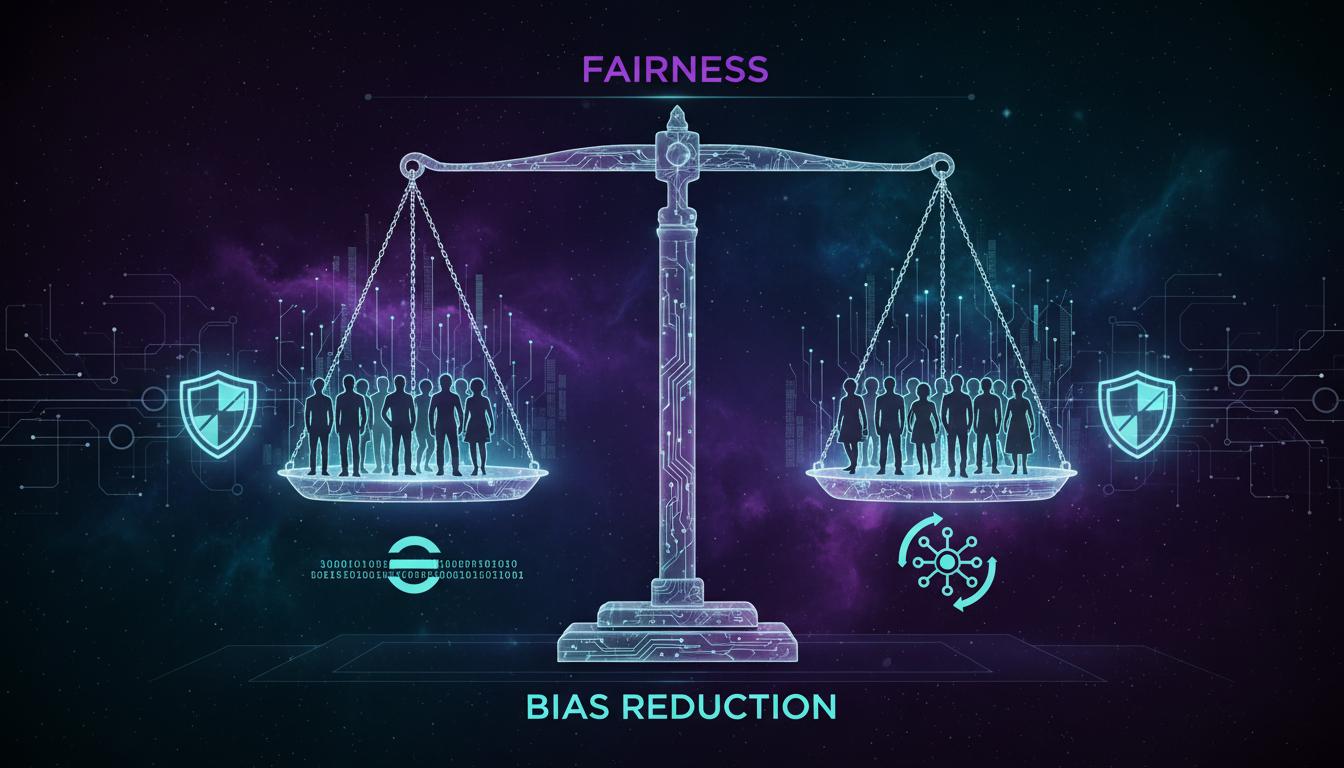
4. Bias Detection and Fairness
As AI becomes more prevalent in hiring, so does the focus on fairness. The next generation of recruitment AI includes sophisticated bias detection and mitigation capabilities:
- Regular algorithmic audits to detect discriminatory patterns
- Blind screening options that remove identifying information
- Diverse candidate sourcing from underrepresented talent pools
- Explainable AI that shows how decisions are made
What This Means for Recruiters
The rise of AI in recruitment doesn't mean the end of human recruiters—it means the evolution of the role. The most successful recruiters in 2025 will be those who embrace AI as a partner, using it to handle routine tasks while they focus on what humans do best: building relationships, understanding nuanced contexts, and making complex judgment calls.
Organizations that adopt AI recruitment tools strategically will gain a significant competitive advantage in the war for talent. They'll be able to hire faster, more fairly, and more effectively than those stuck in traditional approaches.
Looking Ahead
The future of AI in recruitment is bright, but it requires thoughtful implementation. Organizations must prioritize:
- Transparency in how AI makes decisions
- Continuous monitoring for bias and fairness
- Human oversight and the ability to override AI recommendations
- Candidate privacy and data security
At AAIRO, we're committed to building AI that empowers recruiters and creates better outcomes for both employers and candidates. The future of hiring is here—and it's more intelligent, more fair, and more human than ever before.