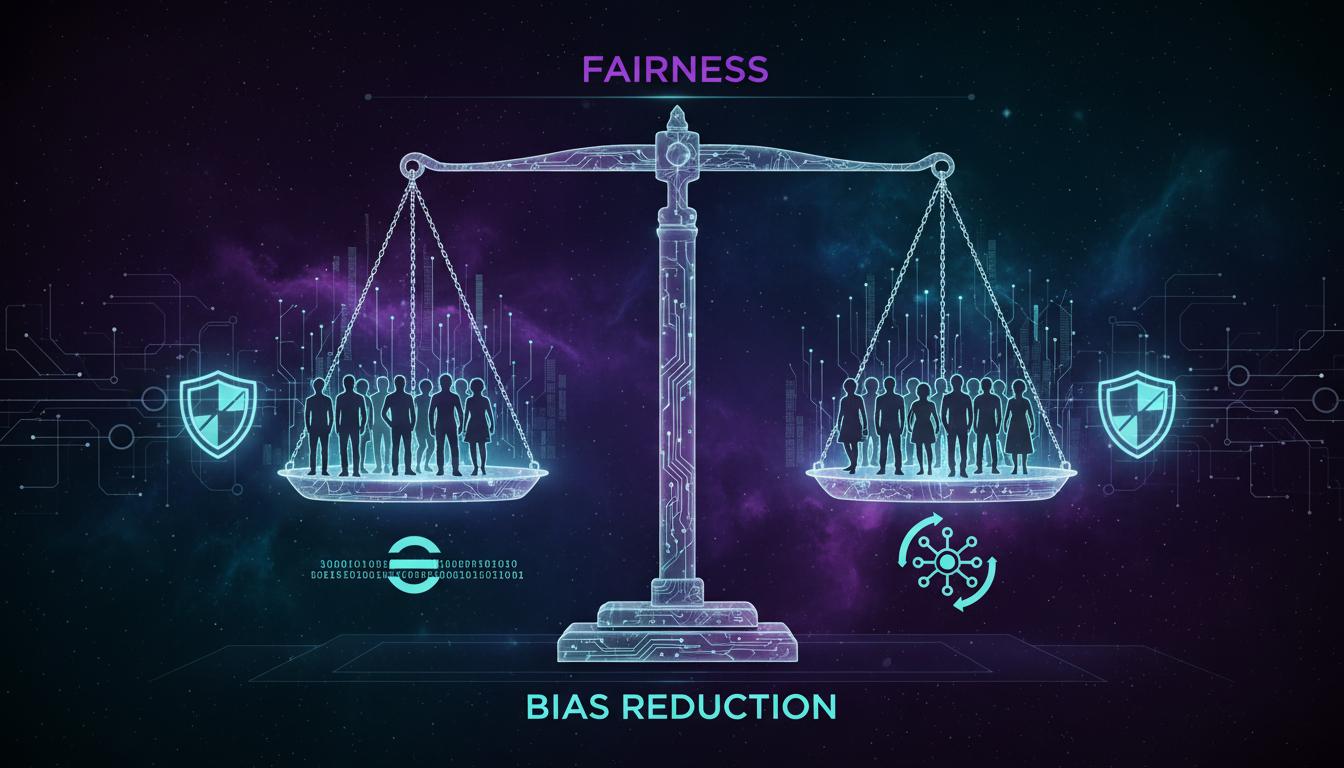
The Promise and Peril of AI in Hiring
Artificial Intelligence holds tremendous promise for reducing bias in hiring. By removing human subjectivity from initial screening and evaluation, AI can create a more level playing field for candidates from all backgrounds. But this promise comes with significant risks—AI systems can perpetuate and even amplify existing biases if not carefully designed and monitored.
How AI Can Reduce Bias
1. Structured Evaluation
Human recruiters often make snap judgments based on factors that have nothing to do with job performance—names that sound "foreign," gaps in employment, or even the font on a resume. AI can evaluate every candidate against the same objective criteria, ensuring consistency that humans struggle to achieve.
2. Blind Screening
AI systems can be configured to ignore demographic information entirely during initial screening. Names, addresses, graduation years, and photos can all be hidden, forcing evaluation based solely on skills and experience.
3. Diverse Sourcing
AI sourcing agents can proactively seek candidates from underrepresented groups, expanding the talent pool beyond the usual networks and channels that tend to reproduce existing demographic patterns.
4. Standardized Interviews
AI interviewers ask every candidate the same questions in the same way, eliminating the variability in human interviewing that can disadvantage certain candidates.
How AI Can Perpetuate Bias
Despite these benefits, AI systems are not inherently fair. They learn from data, and if that data reflects historical biases, the AI will learn and replicate those biases.
1. Training Data Bias
If an AI system is trained on historical hiring data from a company that has historically favored certain demographics, it will learn those patterns and continue to favor similar candidates. This is perhaps the most common and dangerous form of AI bias.
2. Proxy Variables
Even when demographic information is removed, AI systems can find proxy variables that correlate with protected characteristics. Zip codes, schools attended, and even hobbies can serve as proxies for race, gender, or socioeconomic status.
3. Feedback Loops
AI systems that learn from hiring decisions can create self-reinforcing feedback loops. If the system recommends certain types of candidates and those candidates get hired, the system becomes more confident in those recommendations, regardless of whether they're actually better performers.
Best Practices for Fair AI Hiring
Organizations can harness the benefits of AI while minimizing bias risks by following these best practices:
1. Audit Regularly
Conduct regular audits of AI hiring systems to detect disparate impact across demographic groups. This should include both statistical analysis and qualitative review of decisions.
2. Diverse Training Data
Ensure training data represents diverse candidates and successful employees. If your historical data is biased, consider using synthetic data or debiasing techniques.
3. Explainable AI
Use AI systems that can explain their decisions. If a candidate is rejected, you should be able to understand why and verify that the reasoning is job-related and unbiased.
4. Human Oversight
Keep humans in the loop, especially for final hiring decisions. AI should inform and augment human judgment, not replace it entirely.
5. Continuous Monitoring
Bias isn't a one-time problem to solve—it requires ongoing vigilance. Monitor outcomes continuously and adjust systems as needed.
Conclusion
AI is neither inherently biased nor inherently fair—it's a tool that reflects the choices of its creators and users. With thoughtful design, regular auditing, and human oversight, AI can be a powerful force for creating more equitable hiring practices. Without these safeguards, it risks perpetuating the very biases it could help eliminate.
At AAIRO, we're committed to building AI that helps organizations hire more fairly. Our systems include built-in bias detection, explainable decision-making, and regular third-party audits to ensure fair outcomes for all candidates.